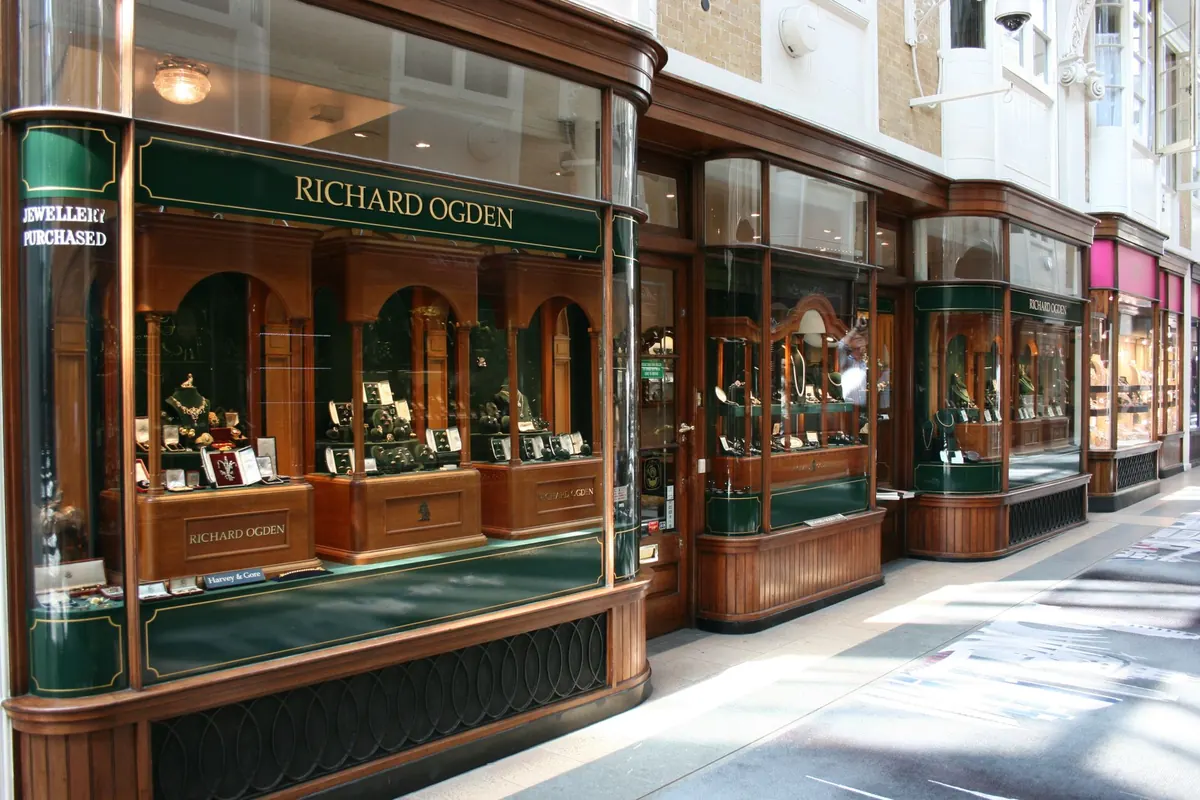
Every high street has already been written about. That is exactly why the pitch needs to work harder. The empty-units piece, the "is it dying?" piece, the nostalgia piece about the department store that closed in 1997 — editors have run all of them, often twice. What they still want is a specific street, a specific change, and a handful of people who will say something only they could say. That takes two things: an angle sharp enough to survive a busy news desk, and the patience to stand on the pavement long enough for people to trust you.
Why "the high street is dying" gets binned
It is a subject, not a story. A story has a place, a cast, a turn, and something at stake. Compare these two pitches.
Weak: "A feature on how independent shops in [town] are coping with rising costs."
Strong: "The greengrocer on Mill Street now opens at six to catch the builders. Three doors down, the barber does not unlock until eleven. The street has quietly split into two shifts, and neither half knows the other exists."
The second one gives an editor a picture, an argument, and a reason to send you rather than someone else. It also tells them you have already been there.
Six angles that still have juice
- The biography of one unit. Pick a shopfront that has changed hands twice in a decade and trace it. Planning applications, licensing registers, the older photographs on mapping sites, bound copies of the local paper in the reference library, and the memories of anyone who has stood on that pavement for forty years. One address can carry the story of a whole town centre.
- The invisible workforce. Not the owners — the street cleaner at five in the morning, the delivery riders, the window cleaner, the market porter, the man who services the shutters. They see who is busiest, who is behind on rent, and which unit has been quietly emptied overnight.
- The night shift. Takeaways, taxis, the late garage, the pub, the people walking home. Many high streets change personality completely after six, and that is a different feature with a different cast.
- The service economy. Barbers, nail bars, phone repair, laundrettes, vape shops. Ask why those units survive when a bakery cannot: rents, deposits, rates, the landlord's preferences, what the footfall actually does between ten and two.
- The second jobs. Who chairs the business improvement district? Who sits on the council? What do the traders do on their one day off? Follow the people who hold the street together behind the scenes.
- What the street was. Pair archive photographs with today's pavement and ask people what they miss and what they are glad to see the back of. The answers are rarely sentimental.
Test the idea before you pitch it
Three questions. Why now — is there a date, a decision, a closure, an opening, a season? Who will talk on the record, and have you already asked them? What does the piece argue? If you cannot answer all three, you have a topic, not a commission.
There is a fourth question worth asking on the pavement rather than at your desk: is there a scene? If nothing visible happens on your recce, the feature will be a series of phone interviews, and editors can tell. Walk it at eight in the morning, at lunchtime, and at six in the evening. Something will happen at one of those times.
The 150-word pitch
Keep it short, concrete and easy to say yes to.
- The line. One sentence, present tense, with a place and a person in it.
- Why now. The peg, in a clause.
- The access. Name two or three people you have already spoken to and what they will give you. This is the part that wins the commission.
- The shape. Opening scene, rough word count, how many voices, and whether you can supply photographs.
- The delivery. When you can file, and what you need from the desk.
Send it, then follow up once by phone after a week. Do not send the same pitch to six outlets at once and hope; most editors talk to each other.
How to get people talking
Go in as a customer first. Buy something small, then say plainly who you are and what you are working on. Do not pretend to be a market researcher or a student. Traders have been asked about the high street before and they know when a conversation is really a survey.
Ask open questions that invite a narrative rather than a verdict. "Walk me through yesterday morning." "What changed when the bank closed?" "What do you do when it goes quiet at three?" Specifics are what make a feature breathe: the name of the delivery driver, the time the bakery oven goes on, the fact that the rent review is due in the spring.
People often say the best thing after the notebook has gone away. If a line is good, ask whether you can quote it rather than writing it down in secret. Recording without saying so is a bad habit and can land you in real difficulty. Say you are recording, and stop when asked to stop.
At the end, get a phone number, check the spelling of names and job titles, and tell them when the piece is likely to appear. Then tell them when it does. That courtesy is how a one-off feature becomes a beat.
Facts, fairness and the awkward bits
Check every figure, name and address twice. Council registers, planning applications and freedom of information requests are useful for vacancy lists, licensing and ownership, and they are checkable in a way that a passer-by's estimate is not. Count things yourself where you can, and describe honestly what you counted.
If you are criticising a named business, put the allegations to them in writing and give a reasonable deadline to respond. That is basic fairness and it also improves the piece. Be careful with anything touching someone's finances, immigration status or benefits, and take professional legal advice before publishing serious allegations about identifiable people or firms. Do not promise anonymity you cannot deliver; explain what you can and cannot protect, and agree the wording with the person before you file.
Photographs need permission too. Ask before you take a portrait, be especially careful with children — a parent or guardian's consent, every time — and avoid pictures that imply something you have not reported.
Your first afternoon on the street
Block out three hours and do this in order. First, walk the whole street in both directions without stopping, and note what has changed since you last looked. Second, sit in a cafe window with a notebook and watch: which units are open, where people pause, who is carrying shopping. Third, go into two businesses you know nothing about, buy one thing in each, and ask one question.
Then go home and write your angle in a single sentence. If it will not fit in one, it is not ready to pitch yet. Come back tomorrow and do it again — the second visit is where the good material usually turns up.
Photo: Pixabay / Pexels